

On Drawing Nature
An Exercise in Attention
The year has begun with fantastic news:
I’ve been commissioned to write my second book.
This time, about drawing nature.
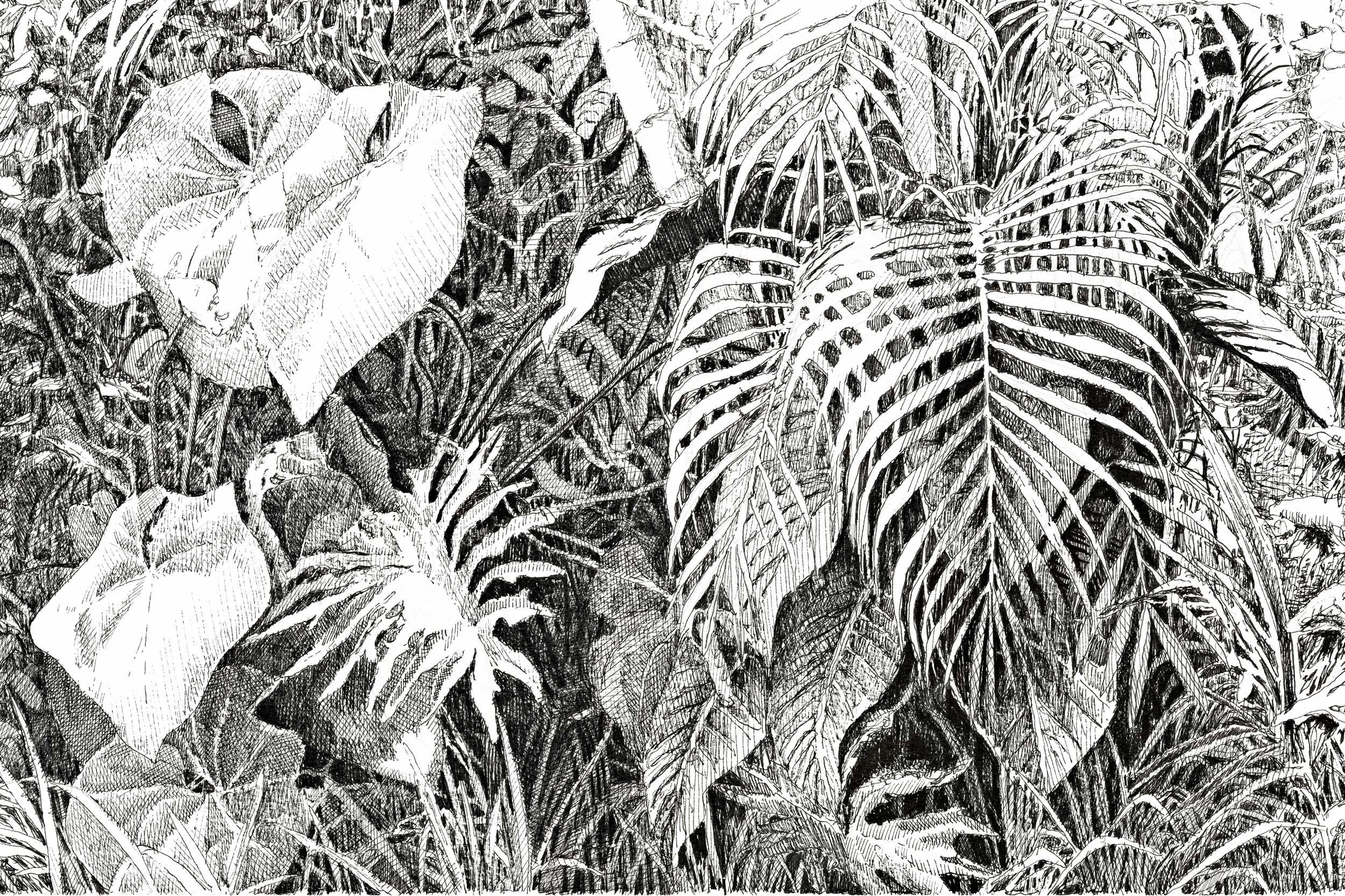
New projects, especially those that are proposed to me, always fill me with excitement, because they force me to rethink how I work and what I pay attention to. I find it deeply stimulating to face a blank page knowing that, little by little, it will turn into something meaningful. Perhaps that’s why this commission feels like a gift. I’m eager to leave 2025 behind, and starting the year with a new idea in my hands gives me a renewed sense of hope.
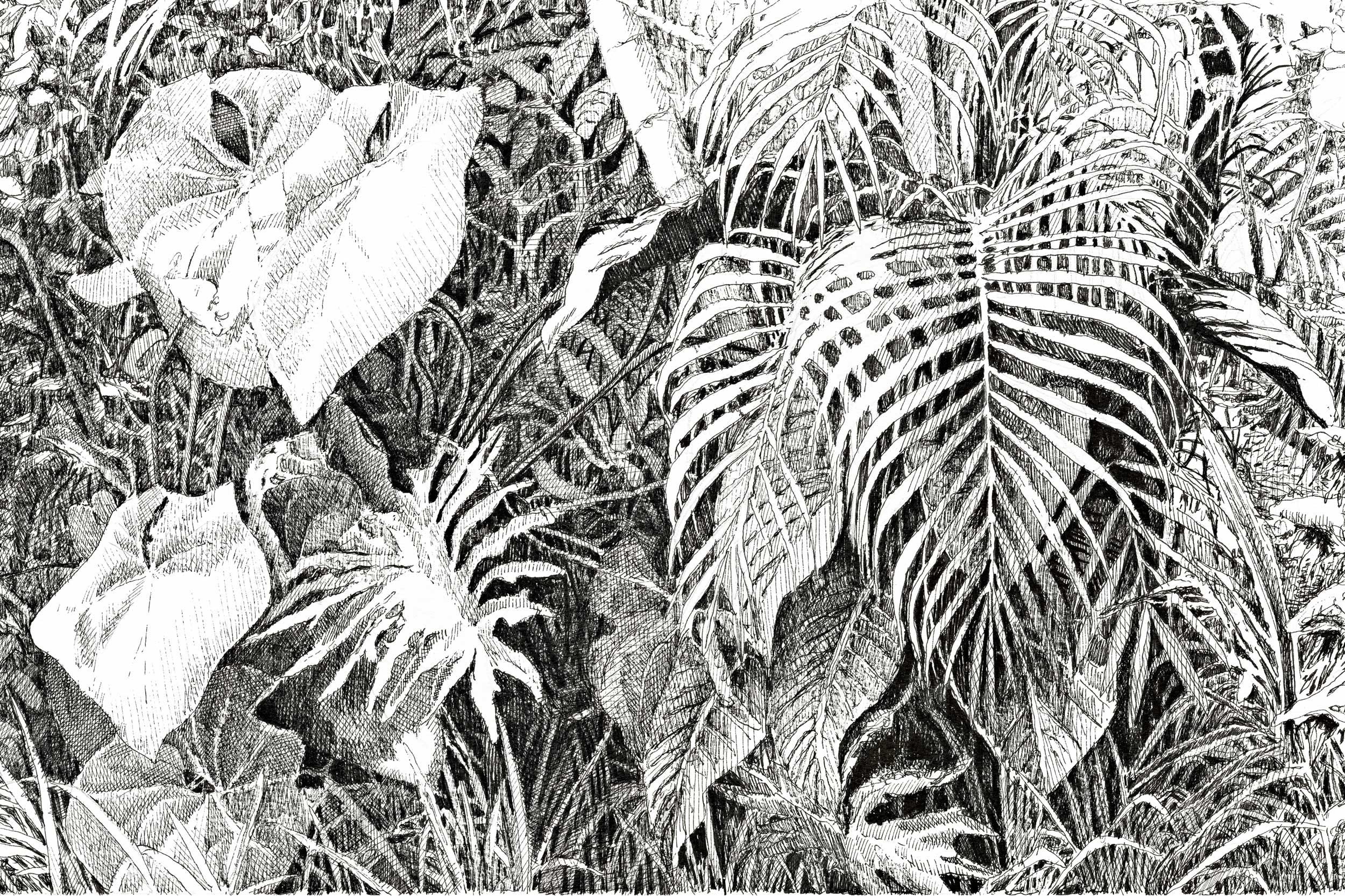
When I decided to start drawing every day, back in 2018, I quickly realized something simple: I couldn’t go out and draw buildings every single day. So I began drawing what was in front of me. And since we were living in Colombia at the time, what was in front of me was, more often than not, nature.
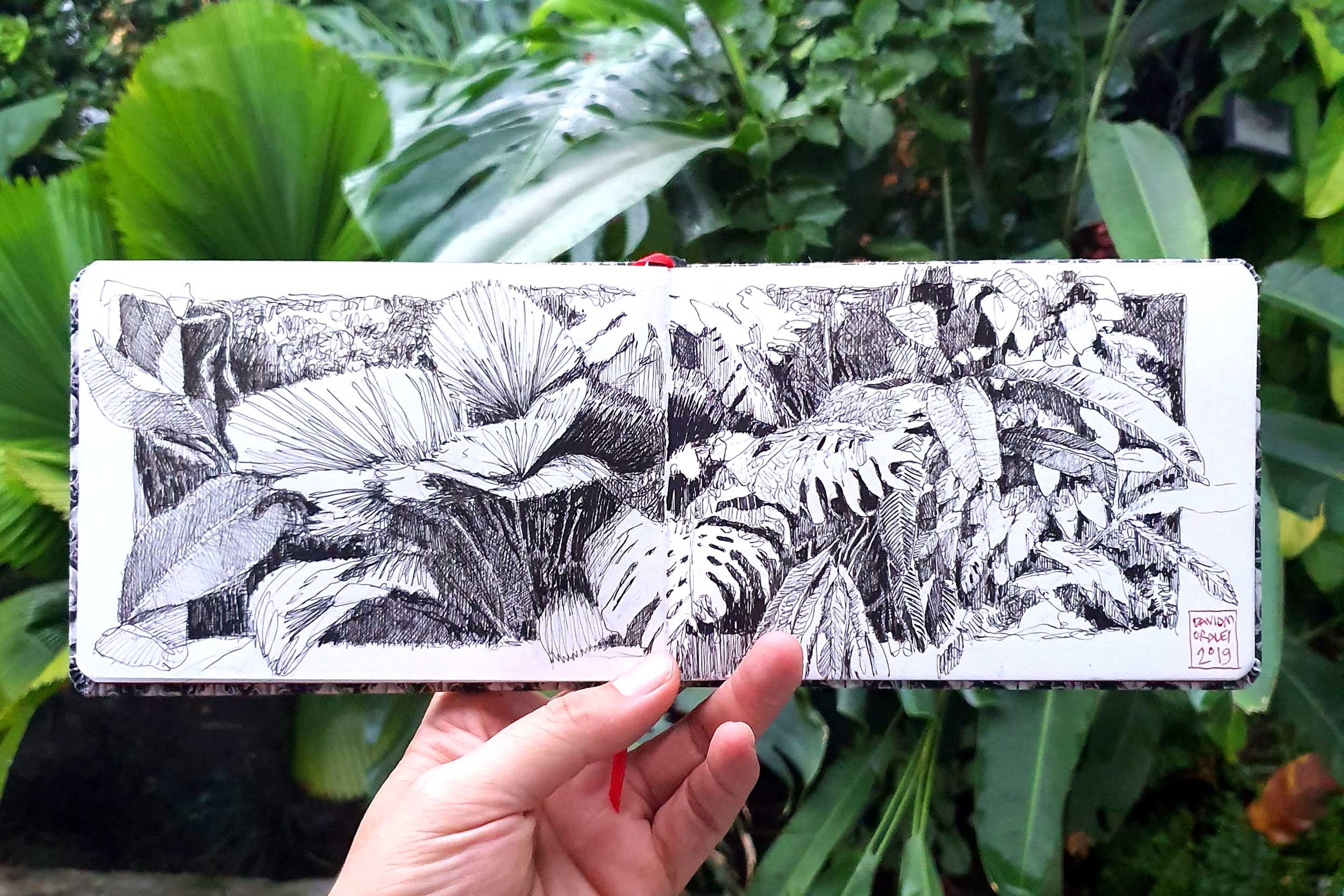
At first, this wasn’t a conscious decision. Drawing plants in pots or in the garden was simply the most accessible option. Until then, when I drew buildings, vegetation usually appeared as a generic texture, a background element that merely indicated its presence. Once I made it the main subject of the drawing, my way of looking began to change.
That shift mattered.
I started to pay attention to the enormous variety of textures, leaves, structures, and adaptations that exist in nature. What had once been secondary became central. Vegetation stopped supporting the drawing and became the drawing itself, turning into a challenge that demanded patience and focus.
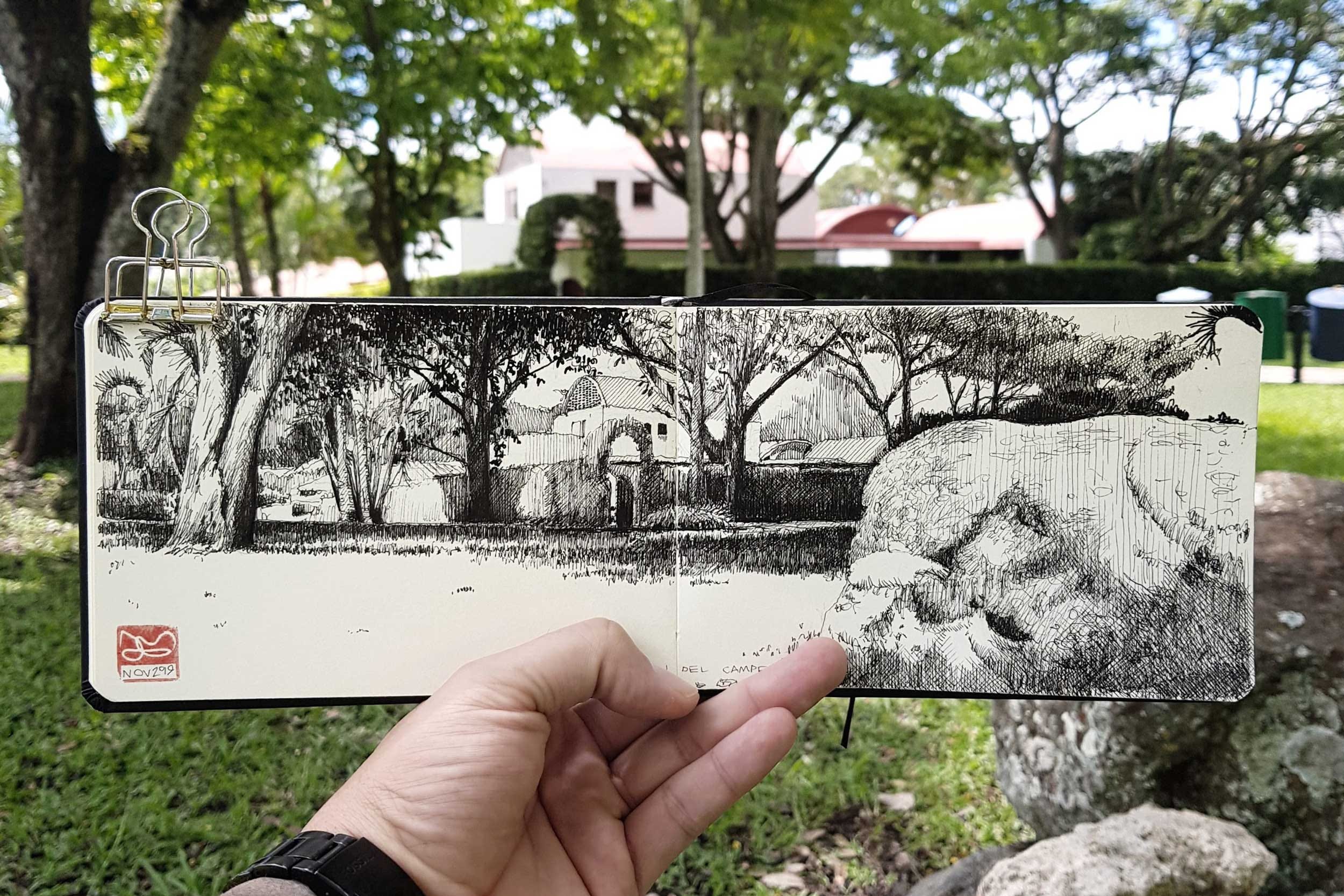
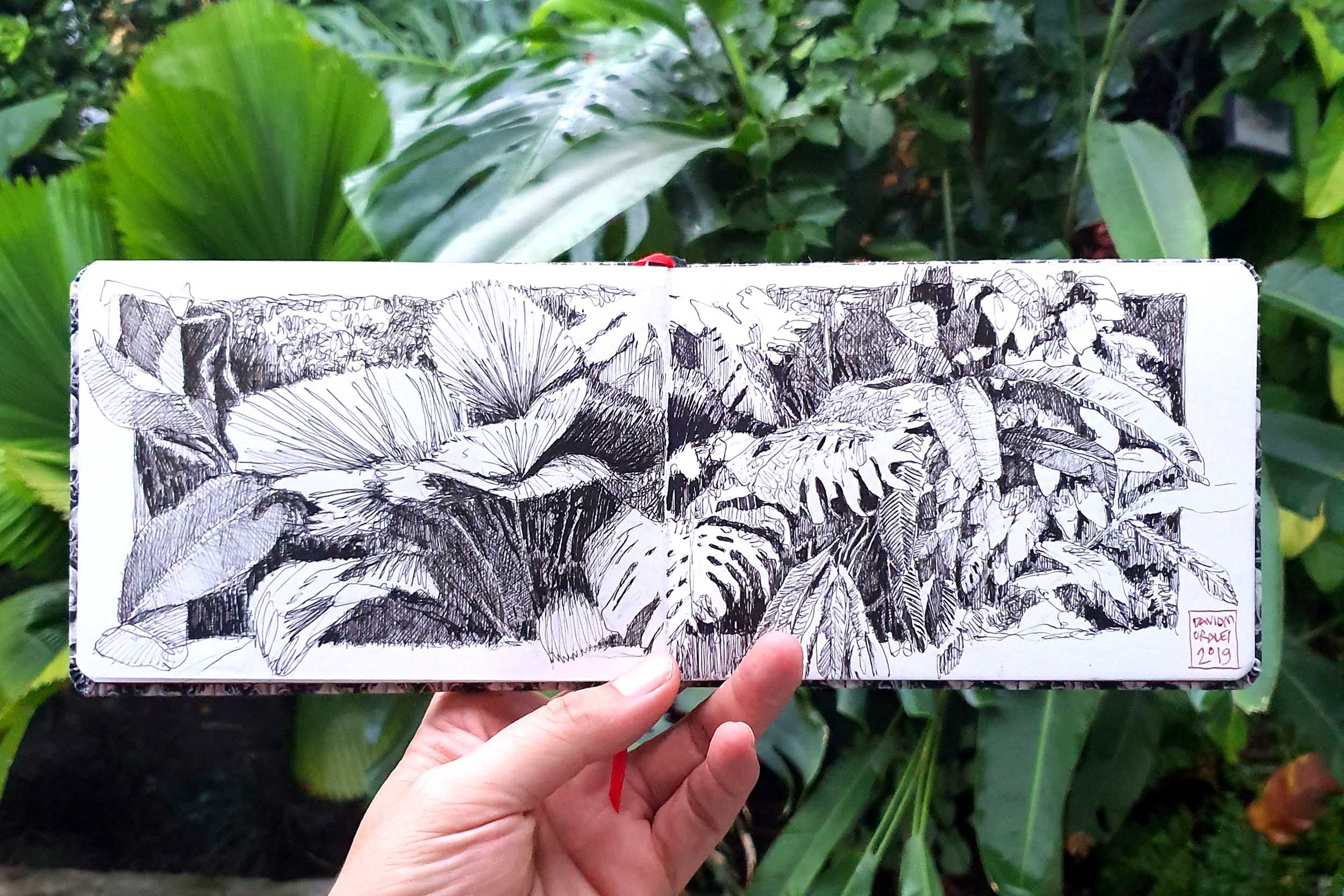
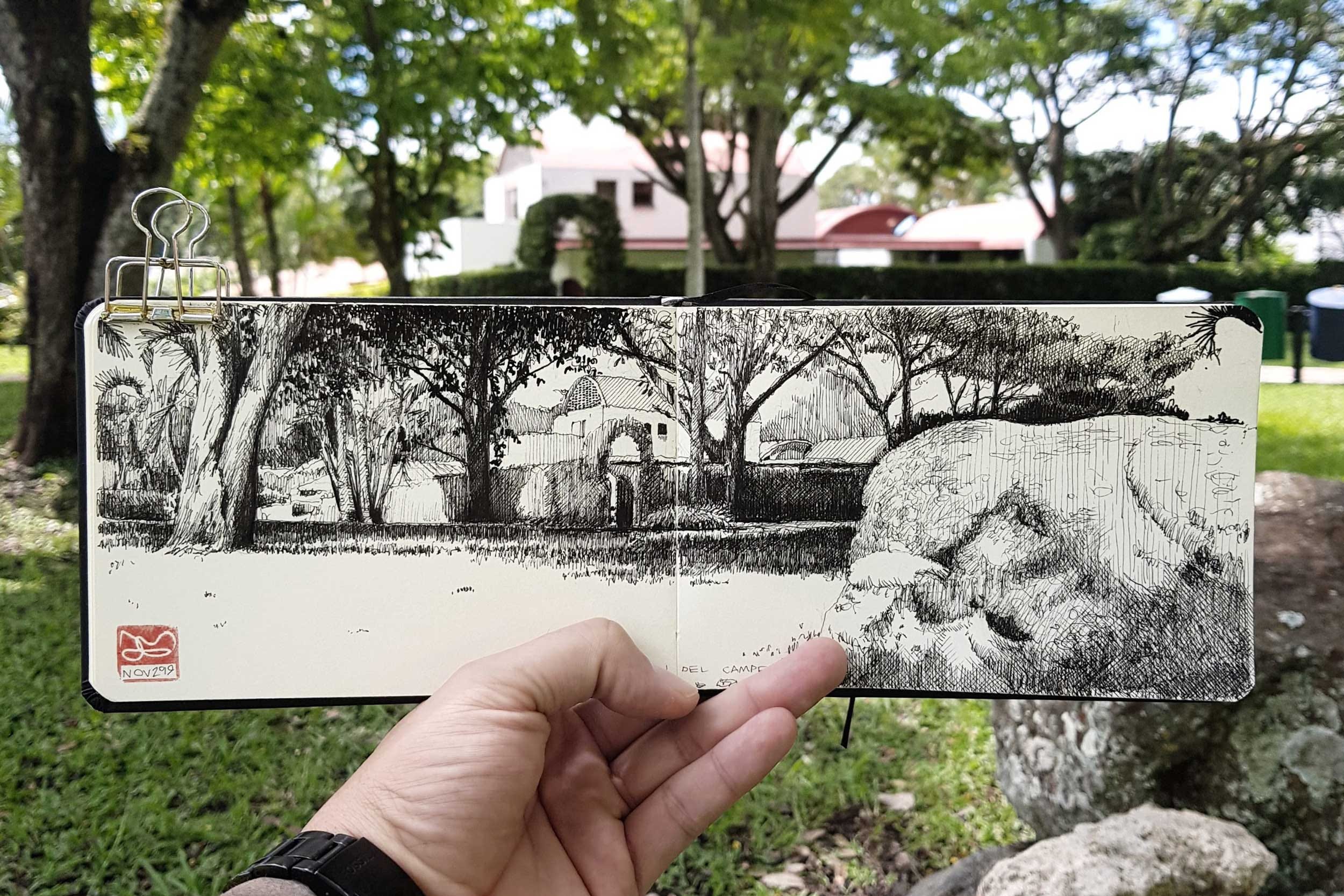
Drawing nature then became more than a daily practice. It was a way of documenting what surrounded me, of recording the place and the moment I was living in. In the end, that is what drawing in sketchbooks is about: creating memories through attention, deciding what is worth observing carefully.
When we moved back to Barcelona, I continued this practice. Drawing Mediterranean nature made the contrasts and similarities between these places visible. In Colombia, vegetation is lush, expansive, almost overwhelming. In Barcelona, nature is more restrained, and the seasons constantly reshape the landscape. Each context required a different approach to translating what I observed into drawing.
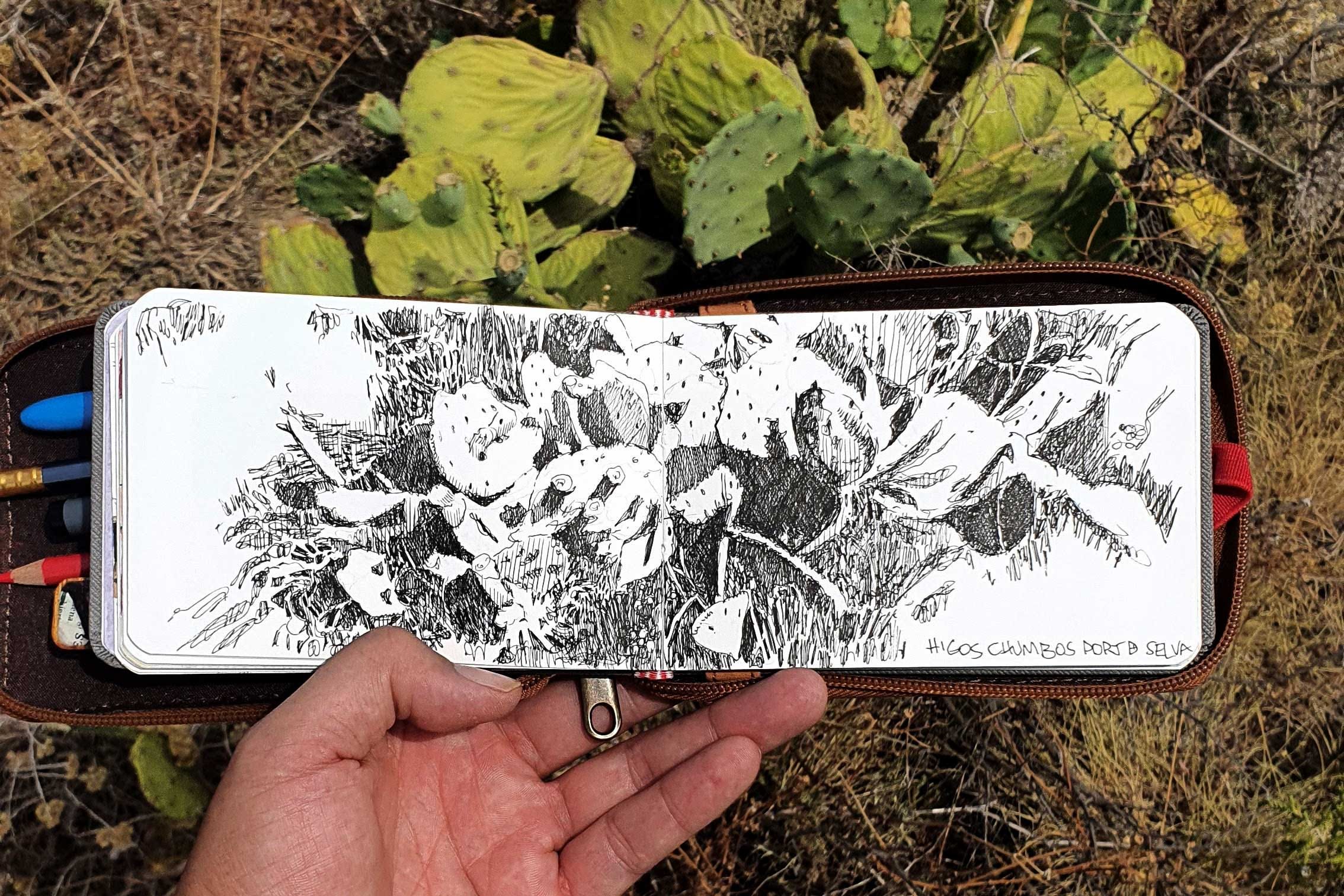
Over time, I developed the habit of “collecting” species in my sketchbooks. I sometimes like to think of myself as a nineteenth-century expeditionary, not driven by discovery for its own sake, but by the discipline of careful looking. I draw plants not to catalogue them scientifically, but to stay with them long enough for their forms to reveal themselves. Once shared, these drawings began to spark conversations. When I post them on Instagram, people often contribute their own knowledge, how these species are used, where they grow, and the role they play in everyday life. What begins as a solitary act of drawing often becomes a shared way of seeing.
I’ve been trying for years to give shape to all of this through different projects, with the aim of organizing it and sharing it more clearly. This commission has arrived as a balm of inspiration for 2026. In this book, I will explore how I approach drawing nature from different distances, what I focus on at each scale, the role of materials, and the techniques I use. This book is built around one central idea: observation.
Because drawing nature is not about copying what we see.
It’s about slowing down and learning how to look.
D.


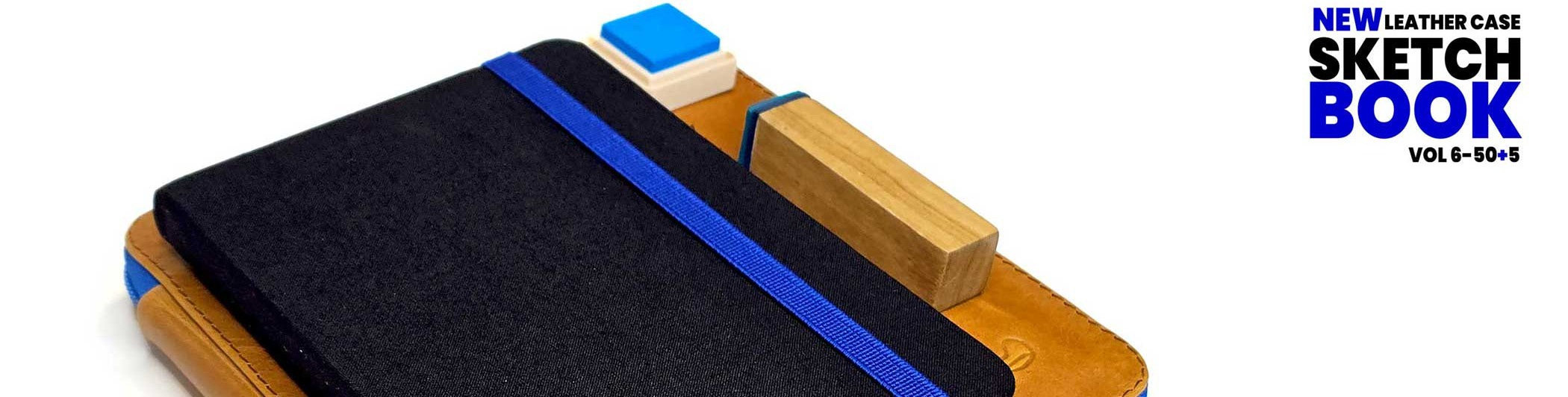
Just a quick reminder: a few leather cases from the Blue Edition are still available.
Ahora en castellano :)
Sobre dibujar la naturaleza
Un ejercicio de atención
El año ha comenzado con una noticia fantástica:
me han encargado escribir mi segundo libro.
Esta vez, sobre dibujar la naturaleza.
Los proyectos nuevos, especialmente aquellos que me proponen, siempre me generan muchísima ilusión, porque me obligan a replantear cómo trabajo y en qué pongo la atención. Me resulta profundamente estimulante enfrentarme a una hoja en blanco sabiendo que, poco a poco, se transformará en un proyecto con sentido. Quizá por eso este encargo ha llegado como un regalo: tengo muchas ganas de dejar 2025 atrás, y empezar el año con una idea nueva entre manos me llena de esperanza.
Cuando decidí empezar a dibujar todos los días, allá por 2018, pronto me di cuenta de algo sencillo: no podía salir a dibujar edificios cada día. Así que empecé a dibujar lo que tenía delante. Y como entonces vivíamos en Colombia, lo que tenía delante, casi siempre, era naturaleza.
Al principio no fue una decisión consciente. Dibujar plantas en macetas o en el jardín era la opción más accesible, algo que tenía siempre a mano. Hasta entonces, cuando dibujaba edificios, la vegetación solía aparecer como una textura genérica, un fondo que simplemente indicaba su presencia. Cuando la convertí en el motivo principal del dibujo, empezó a cambiar mi manera de mirar.
Ese cambio fue importante.
Empecé a fijarme en la enorme variedad de texturas, hojas, estructuras y adaptaciones al entorno que existen en la naturaleza. Lo que antes era secundario pasó a ocupar el centro del dibujo. La vegetación dejó de acompañar al dibujo para convertirse en el dibujo mismo, en un reto que exigía tiempo, paciencia y atención.
Dibujar la naturaleza se convirtió entonces en algo más que una práctica diaria. Era una forma de documentar lo que me rodeaba, de registrar el lugar y el momento en el que vivía. Al final, de eso se trata dibujar en cuadernos: de crear recuerdos a partir de la atención, de decidir qué merece ser observado con detenimiento.
Cuando regresamos a vivir a Barcelona, continué con la misma práctica. Dibujar la naturaleza mediterránea hizo visibles tanto las diferencias como las similitudes entre ambos lugares. En Colombia, la vegetación es exuberante, expansiva, casi abrumadora. En Barcelona, la naturaleza es más contenida y el paso de las estaciones transforma el paisaje de forma constante. Cada contexto requería un acercamiento distinto para traducir lo observado al dibujo.
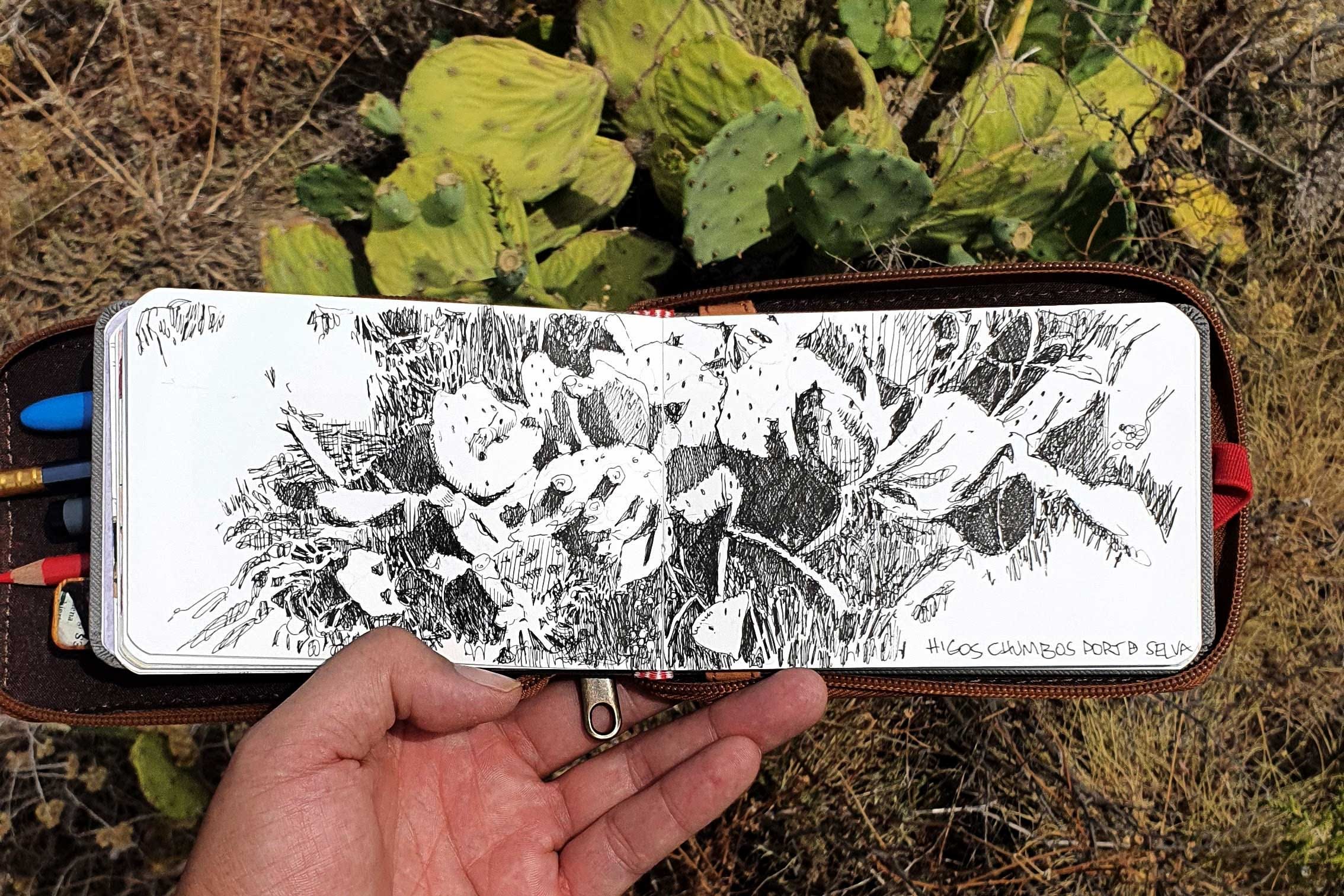
Con el tiempo desarrollé el hábito de “coleccionar” especies en mis cuadernos. A veces me gusta pensar en mí mismo como un expedicionario del siglo XIX, no movido por el afán de descubrimiento, sino por la disciplina de mirar con cuidado. Dibujo las plantas no para catalogarlas científicamente, sino para permanecer el tiempo suficiente frente a ellas y dejar que sus formas se revelen. Al compartir estos dibujos, empezó a ocurrir algo inesperado: surgió la conversación. Al publicarlos en Instagram, muchas personas aportan lo que saben sobre esas especies, cómo las utilizan o qué papel ocupan en su vida cotidiana. Lo que comienza como un acto solitario de dibujo acaba convirtiéndose en una forma compartida de entender.
Llevo años intentando dar forma a todo esto en distintos proyectos, con la idea de ordenarlo y compartirlo de una manera más clara. Este encargo ha llegado como un bálsamo de inspiración para 2026. En este libro exploraré cómo me enfrento al dibujo de la naturaleza desde distintas distancias, en qué me fijo en cada una de ellas, el papel de los materiales y la técnica que utilizo. Este libro está construido en torno a una idea central: la observación.
Porque dibujar la naturaleza no va de copiar lo que vemos.
Va de detenerse y aprender a mirar.
D.


Congrats on the new book! Love this “deciding what is worth observing carefully.” But also, the Van’s! Grapes! Nature! The tiny books. All of it. Happy to have found you and your art.
Wow wow wow so beautiful. Congratulations!